
As a general rule lurchers as pets are great . They do need more exercise than the greyhounds and are not so good at being left. If you work you will need to have other dogs or doggie day care solutions. They also need a fully secure garden – so 6 foot fences to keep the dog safe.
Lurchers As Pets? They Are Fun, Affectionate And Fabulous.
As a general rule lurchers as pets are great . They do need more exercise than the greyhounds and are not so good at being left. If you work you will need to have other dogs or doggie day care solutions. They also need a fully secure garden – so 6 foot fences to keep the dog safe.
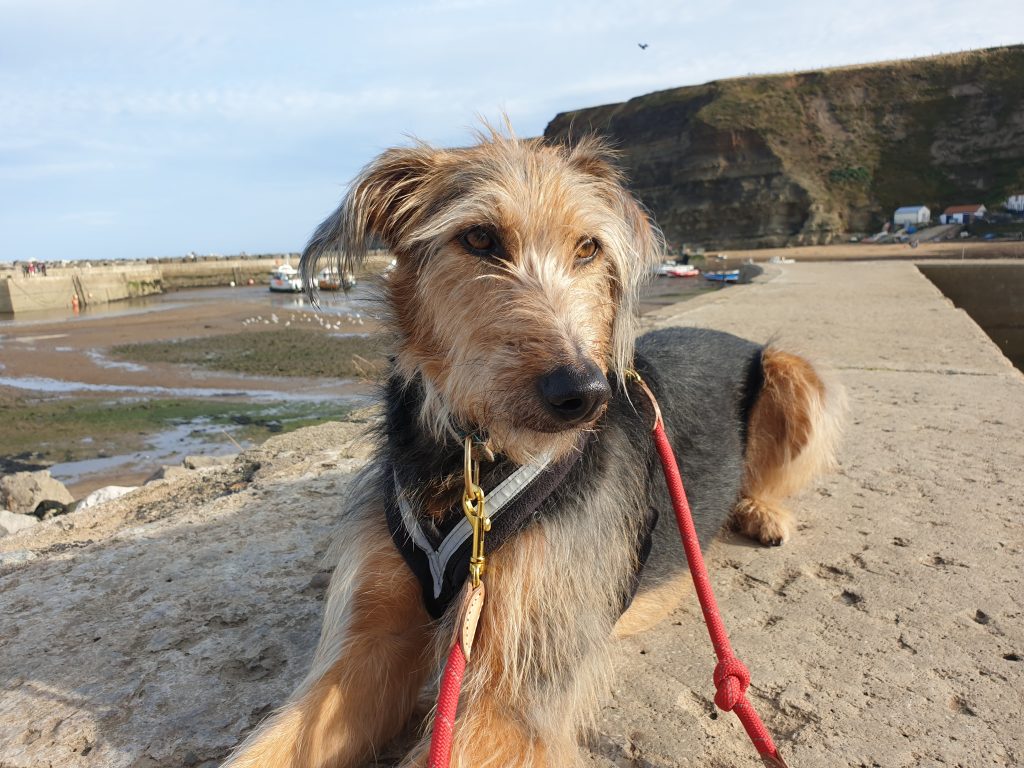
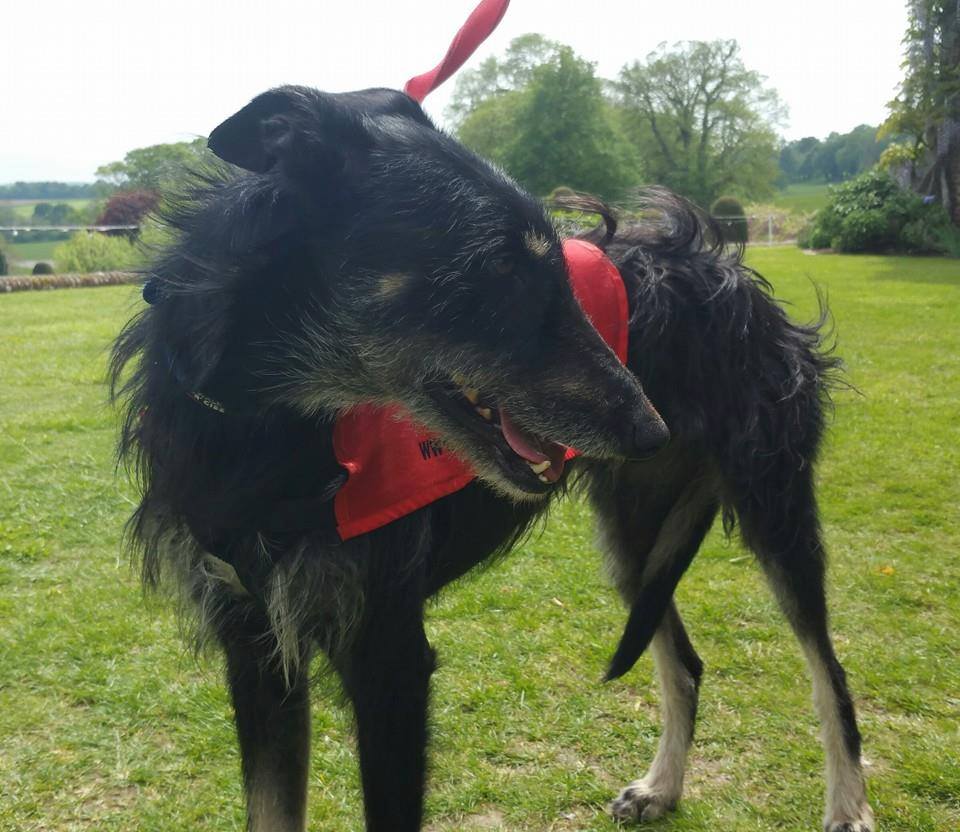
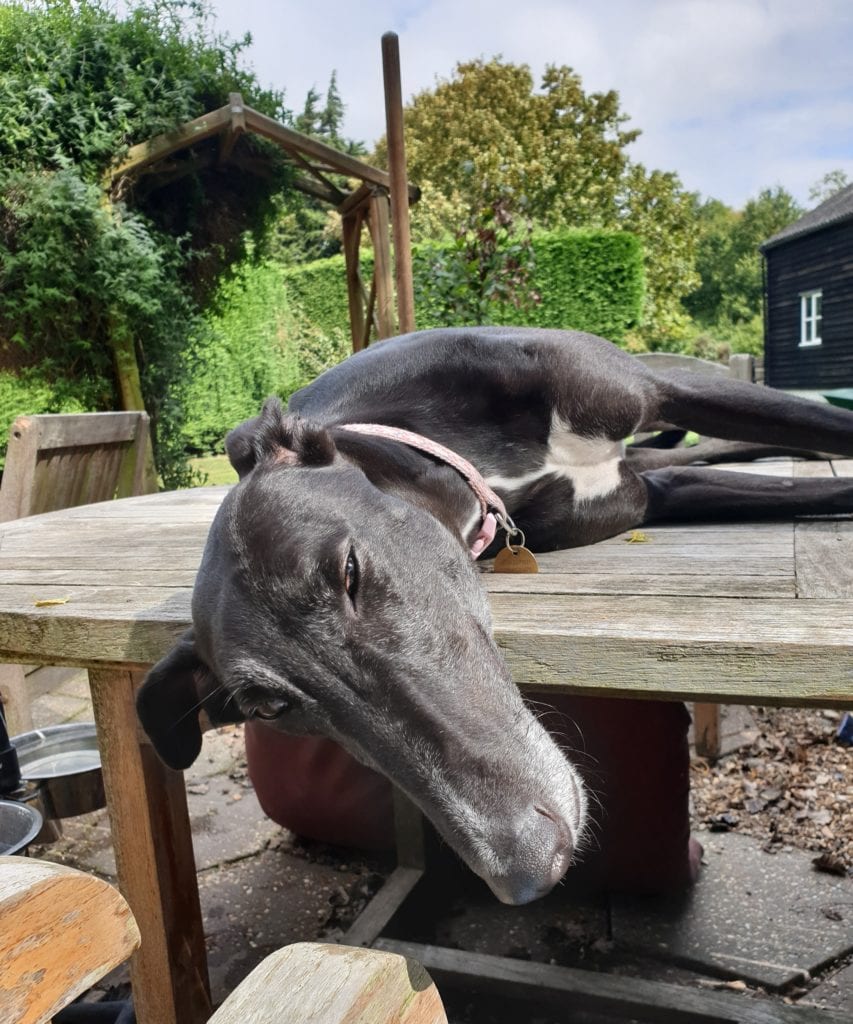
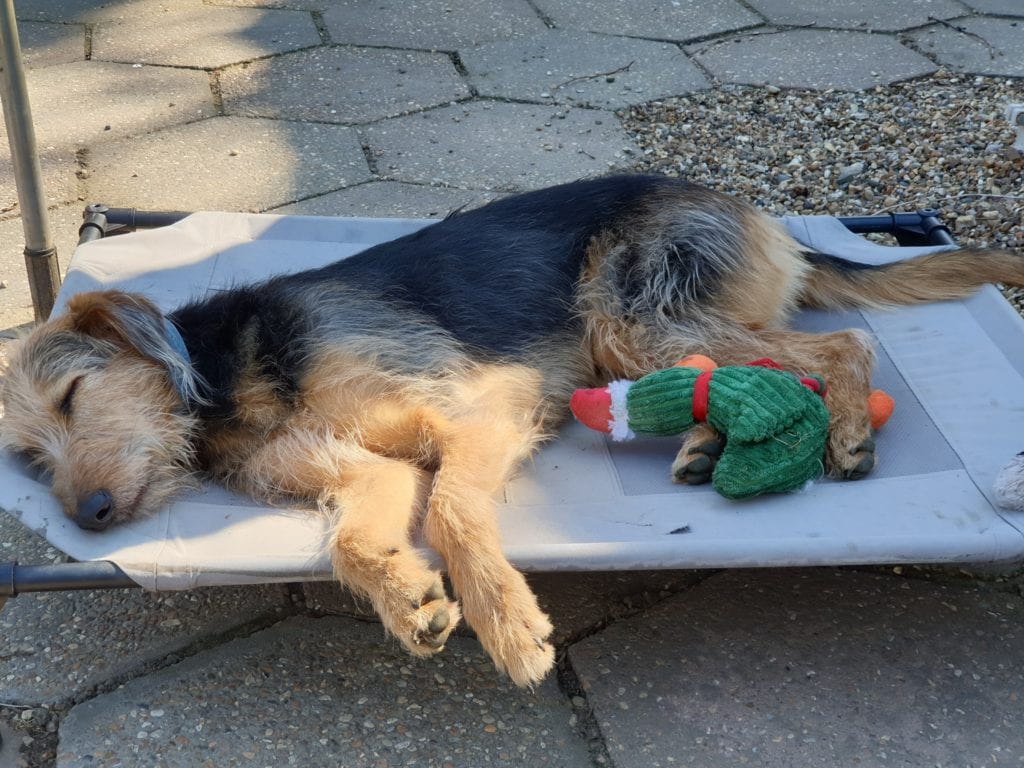
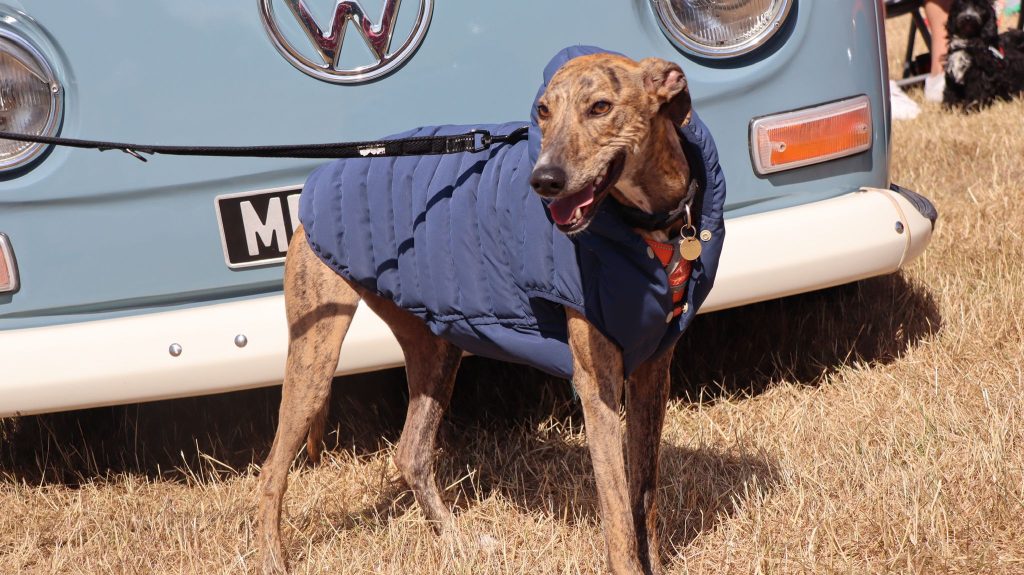
The hairy or rough coated lurchers are often crossed with a terrier or a collie. They are therefore often more active and intelligent. The smooth coated lurchers are more like greyhounds. So laid back although often not as lazy.
What Is A Lurcher? Are They Pets?
A lurcher is technically the result of a greyhound crossed with a working dog. This could be a collie or a terrier. Although we also class small whippet type dogs, salukis and greyhounds crossed with a whippet for example, as lurchers. The vast majority of lurchers arrive at KGR via the dog pound. They have been abandoned or handed in by their previous owner once they are deemed not good enough to work. (catching rabbits for example). The lurchers usually adapt very easily to being domesticated pets and very quickly learn to enjoy the good things in life!
You will need a completely secure garden if you are looking to adopt a lurcher – they can and will jump over anything less than 6 foot.
We do sometimes have lurcher puppies looking for pet homes. We can never guarantee what the puppy will be when it grows up. Their DNA will dictate how large or small they will be and without knowing their parentage it is pretty impossible to predict what the puppy will look like or how large it will be. We will have an educated guess but we cannot guarantee anything. A lurcher is a cross breed dog and has no breed standard.
If you want a lurcher who is a certain height or appearance, you need to be looking to adopt an adult dog.
Dog training
We cannot recommend dog training enough for lurchers. By this we mean regular weekly classes where you go along each week and start with the basics. This is not just about getting your dog to give a paw. It is about both your dog learning respect for you and you building a stronger bond with your dog. Most teething problems will be sorted out with regular classes. In most cases we do not recommend a behaviourist as that is usually a one off and offers no socialisation.
We do explain more about the background of lurchers here
Exercise Requirements
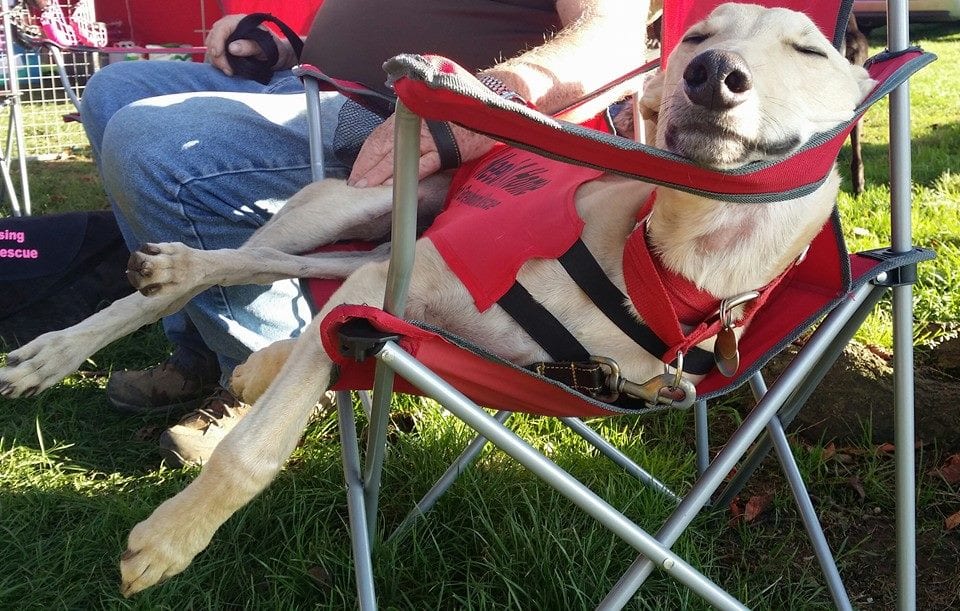
Pet lurchers love company and so they make ideal companions. They are suited to active homes but if they get sufficient exercise they can often be quite lazy dogs at home. Lurchers seem to prefer snoozing somewhere warm and comfortable in the house. Preferably on the sofa or even your bed.
Like other dogs, they don’t relish being left alone and are not suitable if you work full time. Unless you have other dogs and proven doggie day care solutions. They usually love the company of other dogs. In general they need a lot more exercise than the greyhounds, as they have more stamina. But this may vary considerably depending on the type of cross. Please do not think a lurcher or whippet type is a small greyhound . They are not a smaller easier option.
The lurchers will need a walk everyday what ever the weather and will you need to spend more time exercising them. How much will depend on the actual dog. The majority of pet lurchers will enjoy going to training classes and we highly recommend that you do this.
Lurchers – On and Off The Lead
Lurchers are sighthounds and if they have come from a working background they will have been taught to chase small furry animals. You must keep a lurcher on a lead when you’re outside until you are absolutely certain that your dog will always come back to you on command. Also, you will need to be sure that it won’t chase other people’s small pets. With love and patience your dog will soon learn on which side his bread is buttered and will only want to please you.
We cannot stress enough the importance of dog training classes – especially for the lurchers. They need to be off lead and dog training classes will not only help with their recall, it will make your dog a better doggie citizen with other dogs. Dog training classes are inexpensive and are held in lots of church halls and village halls around the UK. If you are unsure, please ask your Vet or local pet shop where classes are held.
Other Animals
Another widely held belief is that Lurchers can’t co-habit with smaller furries like cats. This isn’t always the case and in this respect they are no different to any other rescue dog. By talking to a rescue used to homing lurchers as pets, such as KGR, you can be sure the re-homing volunteers will be able to advise you on whether a particular hound will be suitable to live with cats or other small furries. They will also give you advice on how to make sure the introduction goes as smoothly as possible. If you have cats you do need to follow the training guidance.
Lurcher Temperament
Temperament can vary depending on the type of cross of your Lurcher. Many Lurchers have temperaments that are very similar to purebred sighthounds like the Greyhound, but some have temperaments that are influenced by other breeds like herding breeds and terrier breeds. There is no lurcher breed standard.
Lurcher Appearance – apart from just being gorgeous!
Lorem ipsum dolor sit amet, consectetur adipiscing elit. Ut elit tellus, luctus nec ullamcorper mattis, pulvinar dapibus leo.
Lurchers as Pets
Nowadays, Lurchers are becoming very popular as they make exceptional family dogs. They are generally good with children, gentle, loving, very affectionate and loyal. We often have lots of lovely lurchers looking for homes.
We rehome throughout the UK, so long as you are prepared to travel to us. Please meet our dogs looking for homes.
Think this type of dog is right for you? Check out our ‘Hounds Needing Homes’ section See also:
Everyone at Kent Greyhound Rescue is a volunteer. Our online shop really helps us to pay our kennel and vets bills. We sell everything you need for your dog and all proceeds help the rescue.